
by Dr Saeed I Hassan
Introduction
Inguinal hernia is a common yet often misunderstood medical condition that affects a significant number of individuals worldwide. This article aims to raise public awareness about inguinal hernias, shedding light on the causes, symptoms, and available treatment options. By understanding this condition better, individuals can make informed decisions about their health and seek timely medical assistance when needed.
Hernia
What is an Inguinal Hernia?
An inguinal hernia occurs when tissue, usually part of the intestine, protrudes through a weakened area in the abdominal muscles. This often results in a noticeable bulge in the groin or scrotum. Men are more commonly affected by inguinal hernias, although women can also develop them. The weakened areas in the abdominal muscles may be present from birth or can develop over time due to factors such as aging, heavy lifting, or persistent coughing.
Common Causes and Risk Factors
Understanding the causes and risk factors associated with inguinal hernias is crucial for prevention and early detection. Some common causes include:
1. Muscle Weakness: Weakened abdominal muscles, whether congenital or acquired, contribute to the formation of inguinal hernias. Individuals with a family history of hernias may be at a higher risk.
2. Heavy Lifting and Straining: Activities that involve heavy lifting or intense straining, such as weightlifting or chronic constipation, can increase intra-abdominal pressure, leading to hernias.
3. Chronic Coughing: Persistent coughing, often associated with conditions like chronic obstructive pulmonary disease (COPD) or smoking, can weaken abdominal muscles and contribute to hernia development.
Recognizing Symptoms
Recognizing the symptoms of inguinal hernias is vital for early intervention. Common signs include:
1. Visible Bulge: The most noticeable symptom is a bulge in the groin or scrotum, especially when standing or straining.
2. Pain or Discomfort: Individuals may experience pain or aching in the affected area, particularly during activities like lifting or coughing.
3. Swelling or Tenderness: Swelling and tenderness around the bulging area are common symptoms, indicating the presence of a hernia.
Inguinal hernias complications
Inguinal hernias, while common, can lead to various complications if left untreated or if the condition worsens. Understanding these potential complications is crucial for individuals with inguinal hernias to seek prompt medical attention. Here are some complications associated with inguinal hernias:
1. Obstruction:
– If a portion of the intestine becomes trapped within the hernia sac, it can lead to a blockage or obstruction. This can cause severe pain, nausea, vomiting, and the inability to pass stool or gas. Immediate medical attention is required to address the obstruction and prevent further complications.
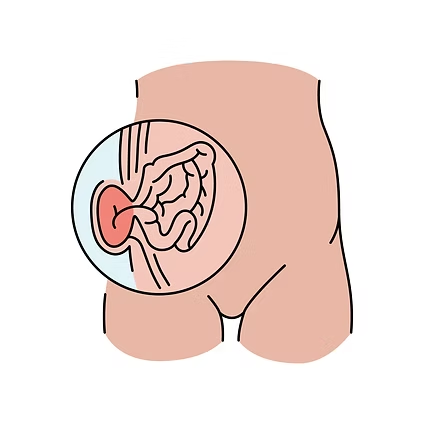
bowel obstruction
2. Strangulation:
– Strangulation occurs when the blood supply to the herniated tissue is compromised, leading to tissue death. This is a medical emergency and requires urgent surgical intervention. Symptoms include intense pain, discoloration of the bulging area, and signs of shock such as rapid heart rate and low blood pressure.
3. Irreducibility:
– In some cases, the protruded tissue may become trapped in the hernia sac and cannot be pushed back into the abdominal cavity. This condition, known as irreducibility, can lead to persistent discomfort and may necessitate surgical repair.
4. Infection:
– If the trapped tissue or the contents of the hernia become infected, it can result in a condition called incarcerated hernia with infection. Symptoms may include redness, warmth, swelling, and increased pain in the affected area. Antibiotics and surgical intervention may be required to manage the infection.
5. Hydrocele:
– In male patients, a complication known as a hydrocele may occur. This happens when fluid accumulates in the scrotum, causing swelling. Hydroceles can develop due to irritation of the lining of the abdominal cavity by the hernia sac or as a result of injury during hernia surgery.
6. Chronic Pain:
– Some individuals may experience persistent or chronic pain even after hernia repair surgery. This can be caused by nerve damage during surgery, scar tissue formation, or other factors. Chronic pain can significantly affect an individual’s quality of life and may require further medical evaluation and management.
7. Recurrence:
– While surgical repair is the standard treatment for inguinal hernias, there is a risk of recurrence. In some cases, the hernia may reappear at the same site or develop on the opposite side. Proper surgical technique and postoperative care can help reduce the risk of recurrence.
It is essential for individuals experiencing symptoms of inguinal hernia or those with a known hernia to consult with a healthcare professional. Timely diagnosis and appropriate management can prevent complications and improve the overall outcome for individuals with inguinal hernias.
Treatment Options
Fortunately, inguinal hernias are treatable, and timely intervention can prevent complications. Treatment options include:
1. Watchful Waiting: In some cases, especially if the hernia is small and not causing significant discomfort, a healthcare provider may recommend watchful waiting, with regular monitoring of the condition.
2. Surgery: For more severe cases or when symptoms persist, surgical repair is often recommended. Minimally invasive techniques, such as laparoscopic surgery, have become common and offer quicker recovery times.
Conclusion
Inguinal hernias are a prevalent health concern that can affect individuals of all ages and genders. By understanding the causes, recognizing symptoms, and being aware of available treatment options, individuals can take proactive steps to manage their health effectively. Early detection and appropriate medical intervention are key to preventing complications and ensuring a swift recovery.