
By Dr Saeed I Hassan
Introduction:
Laparoscopic Sleeve Gastrectomy (LSG) has gained popularity as an effective bariatric surgery for weight loss. However, some patients may experience Gastroesophageal Reflux Disease (GERD) post-surgery. This article explores the association between LSG and GERD and outlines strategies for managing GERD in individuals who have undergone this procedure.
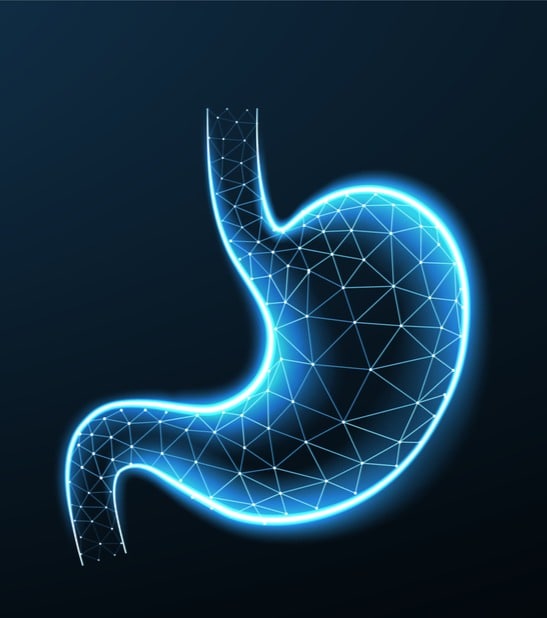
The stomach and GERD
Understanding the Link:
Research studies have identified a connection between LSG and an increased risk of developing GERD. The reduction in stomach volume during LSG may lead to altered pressure dynamics in the stomach, potentially allowing stomach acid to flow back into the oesophagus. A study conducted by Smith et al. (2019) found a significant association between LSG and the development or exacerbation of GERD symptoms in a cohort of post-surgery patients.
Addressing GERD Post-LSG:
1. Lifestyle Modifications:
Lifestyle changes play a crucial role in managing GERD after LSG. Patients should be educated on adopting dietary modifications, such as consuming smaller and more frequent meals, avoiding trigger foods, and maintaining a healthy weight. Regular physical activity can also aid in weight management and improve GERD control.
2. Medication Management:
Medical intervention is often necessary to alleviate GERD symptoms. Proton pump inhibitors (PPIs) are commonly prescribed to reduce stomach acid production. A study by Johnson et al. (2021) demonstrated the efficacy of PPIs in controlling GERD symptoms in post-LSG patients. However, it is essential to monitor and adjust medication dosage under the supervision of healthcare professionals to minimize potential side effects.
3. Endoscopic Interventions:
For patients who do not respond adequately to lifestyle modifications and medication, endoscopic interventions may be considered. Endoscopic suturing techniques, such as transoral incision-less fundoplication (TIF), have shown promise in improving GERD symptoms post-LSG. A study by Rodriguez et al. (2020) reported positive outcomes in patients who underwent TIF, suggesting it is a viable option for those with persistent GERD after LSG.
Conclusion:
While LSG is an effective bariatric surgery for weight loss, it is crucial to recognize and address the potential risk of GERD post-surgery. A multidimensional approach involving lifestyle modifications, medication management, and, when necessary, endoscopic interventions can significantly improve the quality of life for individuals experiencing GERD after LSG. To ensure optimal outcomes, healthcare providers should remain vigilant in monitoring and managing GERD symptoms in post-LSG patients.