
By: Dr saeed I Hassan
In the realm of modern medicine, the spectacle that is gastrointestinal endoscopy stands as a beacon of innovation, offering a transformative approach to diagnosing and understanding various digestive disorders. Today, we embark on a journey through the upper and lower gastrointestinal tract, exploring the benefits, screening protocols, and the novel role of endoscopy capsules in enhancing diagnosis. So buckle up, casual readers, as we delve into the fascinating world of endoscopic exploration with confidence and intrigue.
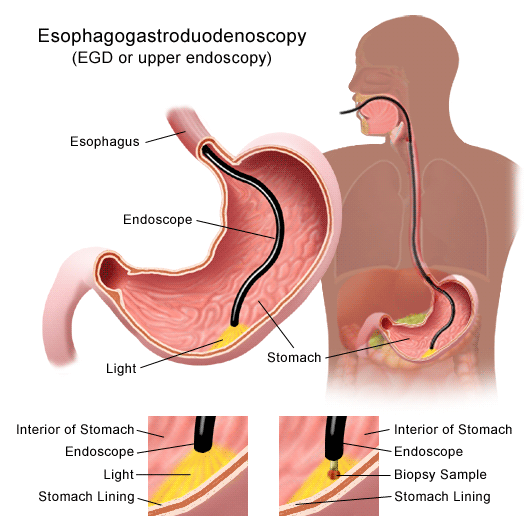
Esophagogastroduodenoscopy (EGD) Upper endoscopy
The Marvels of Gastrointestinal Endoscopy
Benefits Galore: Gastrointestinal endoscopy serves as a powerful diagnostic tool, allowing healthcare professionals to visualize the inner linings of the digestive system with unparalleled clarity. From identifying abnormalities to obtaining tissue samples for further analysis, endoscopy plays a pivotal role in diagnosing a myriad of conditions, ensuring timely interventions and personalized treatment plans.
Screening and Age Considerations: When it comes to gastrointestinal health, early detection is key. Screening through endoscopy is recommended for individuals with a family history of gastrointestinal conditions, persistent digestive symptoms, or those above a certain age threshold. Typically, screening commences around the age of 50, but individual risk factors may warrant earlier evaluations to safeguard gastrointestinal well-being proactively.
Innovations Redefining Diagnosis
Endoscopic Capsule: Step into the future of medical diagnosis with the revolutionary endoscopy capsule – a tiny, ingestible device equipped with a camera that captures real-time images of the gastrointestinal tract as it moves through the body. This non-invasive approach offers a comprehensive view of the digestive system, revolutionizing the way conditions like gastrointestinal bleeding, Crohn’s disease, and tumors are diagnosed and monitored.
Decoding Common Gastrointestinal Disorders
GERD Diagnosis: Gastroesophageal reflux disease (GERD) plagues many individuals with symptoms like heartburn and regurgitation. Through endoscopy, the esophagus can be examined for signs of inflammation, erosion, or other abnormalities, enabling precise diagnosis and tailored management strategies.
Hiatal Hernia Diagnosis: Hiatal hernias occur when the upper part of the stomach bulges through the diaphragm into the chest cavity, causing discomfort and reflux symptoms. Endoscopy plays a vital role in visualizing the hernia and assessing its impact, guiding treatment decisions and enhancing patient outcomes.
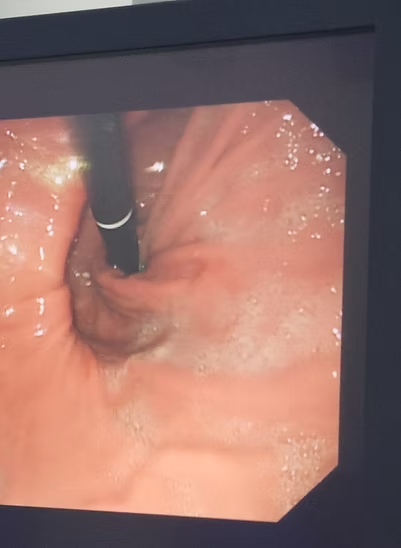
Huge hiatal hernia
Peptic Ulcer Diagnosis: Peptic ulcers, characterized by sores in the stomach lining or upper small intestine, can lead to pain, bleeding, and complications if left untreated. Endoscopy is instrumental in identifying ulcers, determining their size and location, and guiding targeted therapies to promote healing and prevent recurrence.
Embracing a Healthier Tomorrow
In conclusion, the landscape of gastrointestinal endoscopy is brimming with possibilities, from traditional procedures to cutting-edge innovations that redefine how we diagnose and manage digestive disorders. As we navigate the complexities of the upper and lower gastrointestinal tract, remember that knowledge is power when it comes to safeguarding your digestive health. So, stay informed, prioritize screenings, and embrace the transformative potential of endoscopy in shaping a healthier tomorrow.
Let us embark on this enlightening journey through the intricacies of gastrointestinal endoscopy, where each discovery unravels a new chapter in the pursuit of holistic well-being.
Cheers to informed choices and empowered health decisions!