
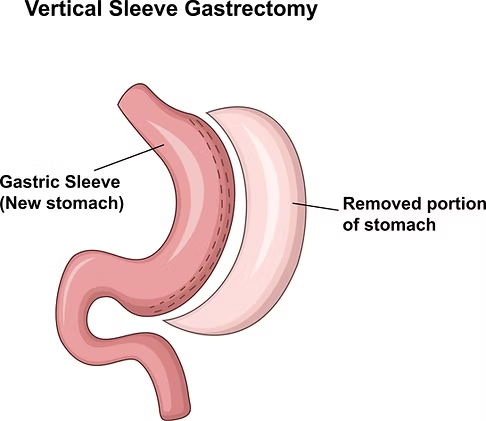
laparoscopic sleeve gastrectomy
1. What is laparoscopic sleeve gastrectomy (LSG)?
– Laparoscopic sleeve gastrectomy, often referred to simply as sleeve gastrectomy, is a surgical procedure for weight loss. It involves removing a large portion of the stomach to create a smaller, sleeve-shaped stomach.
2. How is LSG performed?
– LSG is performed using a minimally invasive surgical technique called laparoscopy. Several small incisions are made in the abdomen, through which a camera and surgical instruments are inserted. The surgeon then removes approximately 75-80% of the stomach along the greater curvature, leaving a narrow tube or sleeve.
3. Who is a suitable candidate for LSG?
– Candidates for LSG typically include individuals with a body mass index (BMI) of 40 or higher (severe obesity) or a BMI of 35-39.9 (obesity) with obesity-related health conditions such as type 2 diabetes, hypertension, or obstructive sleep apnea.
4. What are the benefits of LSG?
– LSG offers several benefits, including significant and sustainable weight loss, improvement or resolution of obesity-related health conditions, reduced appetite due to decreased production of the hunger hormone ghrelin, and a relatively low risk of vitamin and mineral deficiencies compared to other weight loss surgeries.
5. What are the potential risks and complications of LSG?
– Like any surgical procedure, LSG carries risks and potential complications, including infection, bleeding, blood clots, leakage from the staple line, narrowing of the sleeve (strictures), acid reflux, vitamin and mineral deficiencies, and rarely, failure to achieve desired weight loss.
6. What is the recovery process like after LSG?
– Recovery after LSG is typically faster compared to traditional open surgery due to the minimally invasive approach. Most patients can expect to stay in the hospital for 1-2 days and return to normal activities within 2-4 weeks. Dietary changes, including a gradual transition from clear liquids to solid foods, are crucial during the recovery period.
7. Will I need to make lifestyle changes after LSG?
– Yes, lifestyle changes are essential for long-term success after LSG. This includes adopting a healthy diet, engaging in regular physical activity, attending follow-up appointments with healthcare providers, and addressing any psychological factors contributing to obesity.
8. How much weight can I expect to lose with LSG?
– Weight loss following LSG varies from person to person but is typically significant. Many patients can expect to lose 50-70% of their excess body weight within the first year after surgery. Weight loss may continue for 18-24 months before stabilizing.
9. Will I need additional surgeries after LSG?
– While LSG is a standalone procedure, some patients may require additional surgeries to address complications or to achieve further weight loss or body contouring goals. These may include conversion to a different bariatric procedure, such as gastric bypass, or plastic surgery to remove excess skin.
10. Is LSG reversible?
– Unlike gastric bypass, LSG is not reversible because a portion of the stomach is permanently removed during the procedure. Therefore, it’s crucial for individuals considering LSG to thoroughly discuss the risks, benefits, and potential long-term implications with their healthcare provider before proceeding with surgery.